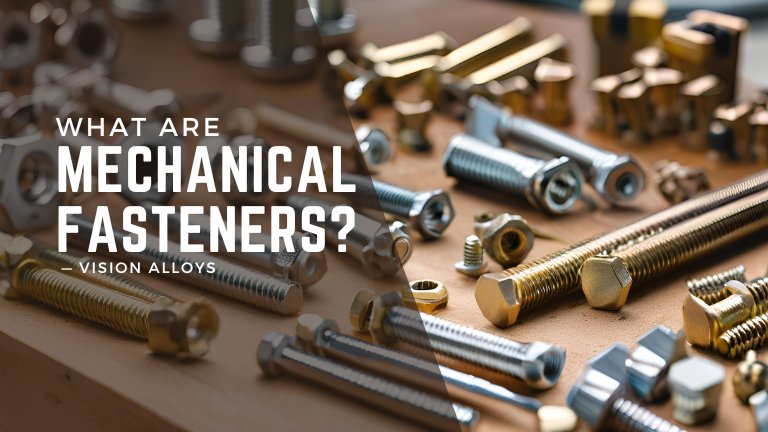
Mechanical fasteners are essential components used to securely join two or more objects. They are commonly used in construction, manufacturing, automotive, and other industries to create strong and reliable connections between metal, wood, and plastic. The primary purpose of a mechanical fastener is to hold parts in place while allowing for disassembly, if needed, without damaging the components. Unlike permanent joining techniques like welding or adhesive bonding, this makes mechanical fasteners versatile and reusable.
What is Fasteners in Mechanical?
When we ask what fasteners are in mechanical engineering, Fasteners refer to hardware devices that mechanically join or affix two or more objects. In mechanical applications, fasteners play a crucial role in assembling parts of machinery, equipment, and structures. They are designed to withstand stress, pressure, and various environmental conditions while ensuring a stable and durable connection.

Mechanical Fasteners Types
There are various mechanical fastener types, each serving specific functions depending on the material being fastened, the load requirements, and the environment in which they are used. These fasteners range from simple screws to more complex components like rivets or bolts. Below, we will explore some common mechanical fasteners used in industrial and everyday applications.
Types of Mechanical Fasteners
- Hex Bolt:

One of the most common types of fasteners, hex bolts have a six-sided head and are primarily used in structural applications. They are typically paired with hex nuts to secure two parts together. Hex bolts are widely used in machinery, construction, and automotive industries.
- Hex Nut:

A hex nut is a type of fastener with a six-sided shape designed to thread onto a bolt or screw. When paired with a hex bolt, it helps create a firm mechanical bond. Hex nuts are often used with washers to ensure a tight and secure fit.
- Eye Bolt:

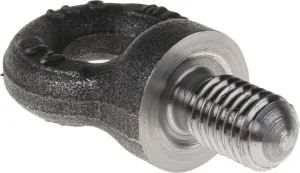
An eye bolt is a fastener with a loop or “eye” at one end, allowing for attachment points or lifting. It is commonly used for securing cables, ropes, or chains. Eye bolts are vital in applications requiring the lifting or hanging heavy objects.
- Eye Nut:

Similar to an eye bolt, an eye nut features a loop but uses a threaded bolt or rod. It is often used in rigging and lifting operations and can be found in various industrial and marine applications.
- Stud Bolts:

These fasteners have no head and are threaded on both ends, allowing for installation with nuts on both sides. Stud bolts are common in flanged connections, especially in the oil and gas industry.
- Spring Washers:

Spring washers provide tension in a bolted assembly, ensuring fasteners remain secure even under vibration or thermal expansion conditions.
- Lock Nuts:

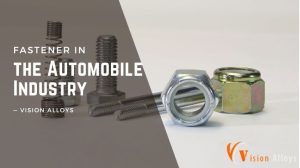
These nuts are designed with features that prevent them from loosening under vibrations or torque. Lock nuts are commonly used in automotive and heavy machinery applications.
Here are some examples of mechanical fasteners: Anchor Bolt, Hex Flange Bolt, and U-Bolts. We offer a wide range of fasteners catering to diverse industrial needs. Contact us for more details!
Choosing the Right Mechanical Fastener
Selecting the correct fastener type is critical for the integrity and safety of any mechanical assembly. When choosing a mechanical fastener, consider factors like the material being joined, the type of load, environmental conditions, and the need for disassembly. For example, hex bolts and nuts are ideal for heavy-duty applications, while eye bolts and nuts are used in lifting operations.
Mechanical fasteners provide flexibility and durability in various industrial, structural, and everyday applications. Understanding mechanical fastener types and their specific uses helps ensure that connections are strong, reliable, and fit for purpose.