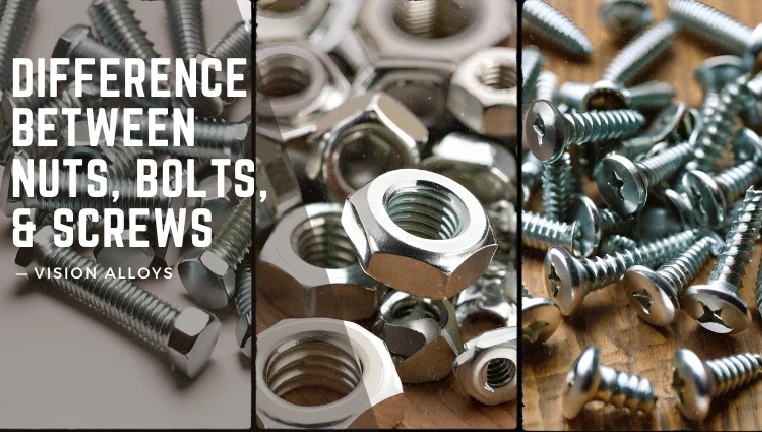
When delving into the world of fasteners, it’s essential to distinguish between nuts, bolts, and screws, as each serves a unique purpose in construction and machinery. Though they may appear similar initially, their designs and applications are distinct.
Bolts: The Anchors of Construction
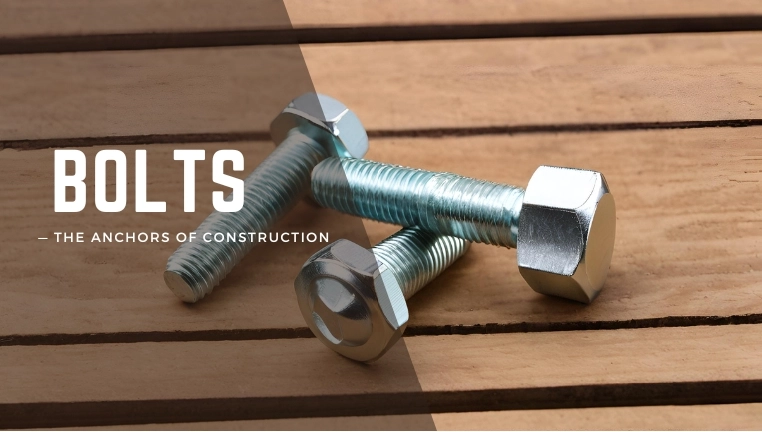
Bolts are sturdy, threaded fasteners typically used in conjunction with a nut. They are designed to pass through unthreaded holes in the materials being joined, and their threads are engaged by the nut, which is then tightened to secure the assembly. Bolts are known for their high tensile strength, making them ideal for applications requiring strong, durable connections, such as in construction, automotive, and heavy machinery industries. The primary feature that sets bolts apart is their need for a nut to secure them, creating a robust, reliable bond.
Nuts: The Perfect Partners for Bolts

Nuts are internally threaded fasteners that pair with bolts to hold parts together. They come in various shapes and sizes, including hexagonal, square, and wing nuts, each serving different needs based on the application. The primary function of a nut is to provide the necessary tension when tightened onto a bolt, ensuring the connected components stay securely in place. With nuts, bolts could fulfil their role effectively, highlighting the interdependent relationship between these two fasteners.
Screws: Versatile and Self-Sufficient
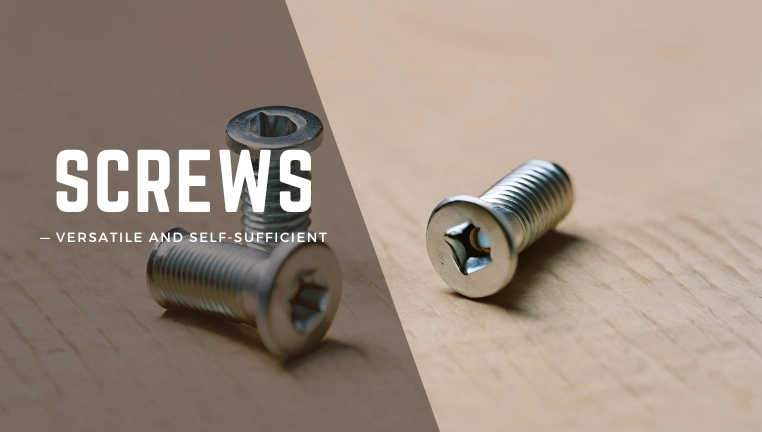
Screws are incredibly versatile fasteners that differ from bolts in one key aspect: they do not require a nut to function. Screws are designed to be driven directly into materials, creating their own threads in the process. This self-tapping feature allows screws to form a tight, secure hold in a variety of materials, from wood to metal and plastic. Screws come in a multitude of types, including wood screws, machine screws, and sheet metal screws, each tailored to specific applications. Their ease of use and ability to form strong joints without the need for additional components make screws a popular choice in both DIY projects and professional settings.
Comparative Table: Nuts, Bolts, and Screws
| Feature | Nuts | Bolts | Screws |
| Function | Secure bolts or threaded rods | Fasten materials with nuts | Create internal threads in materials |
| Shape | Hexagonal, winged, domed | Hex head, rounded head | Slotted/Phillips head, pointed end |
| Threading | Internal | External | External |
| Installation | Requires a wrench or socket | Requires a wrench or socket with a nut | Driven with a screwdriver or drill |
| Common Types | Hex nuts, lock nuts, wing nuts, cap nuts | Hex bolts, carriage bolts, lag bolts, eye bolts | Wood screws, machine screws, self-tapping screws, sheet metal screws |
| Typical Uses | Construction, machinery, automotive | Heavy-duty construction, machinery | Woodworking, metalworking, electronics, furniture |
Choosing the Right Fastener
Selecting the appropriate fastener for a project depends on several factors, including the materials being joined, the required strength of the connection, and the specific application. Bolts and nuts are ideal for situations where high strength and durability are paramount, while screws offer convenience and versatility, especially in situations where the fastener needs to create its own threads. Understanding the differences between these fasteners ensures the right choice is made, leading to safer and more efficient construction and assembly processes.
While nuts, bolts, and screws may seem similar, their distinct characteristics and uses are crucial for different applications. Bolts and nuts work together to provide strong, reliable connections, whereas screws offer a self-sufficient fastening solution suitable for a wide range of materials and tasks.